
News
Research shows ‘generation waste’ as Millennials and Gen Z fuel the nation’s food waste problem
by OzAdmin
August 26, 2025
News
Research shows ‘generation waste’ as Millennials and Gen Z fuel the nation’s food waste problem
by OzAdmin
New research reveals households under 35 waste $1,500 worth of food each year, 71% more food than older generations, with leftovers and vegetables topping the list.
Australian households are wasting a staggering $1,500 worth of perfectly good food annually, with young adults under 35 leading the charge as the nation’s biggest food wasters, according to new consumer research released today.
The comprehensive Half Eaten: Australian Household Food Waste Research report, commissioned by OzHarvest, surveyed over 3,000 households and found that the younger generation are throwing away 113kg of food each year – wasting over 70% more food than their parents’ generation.
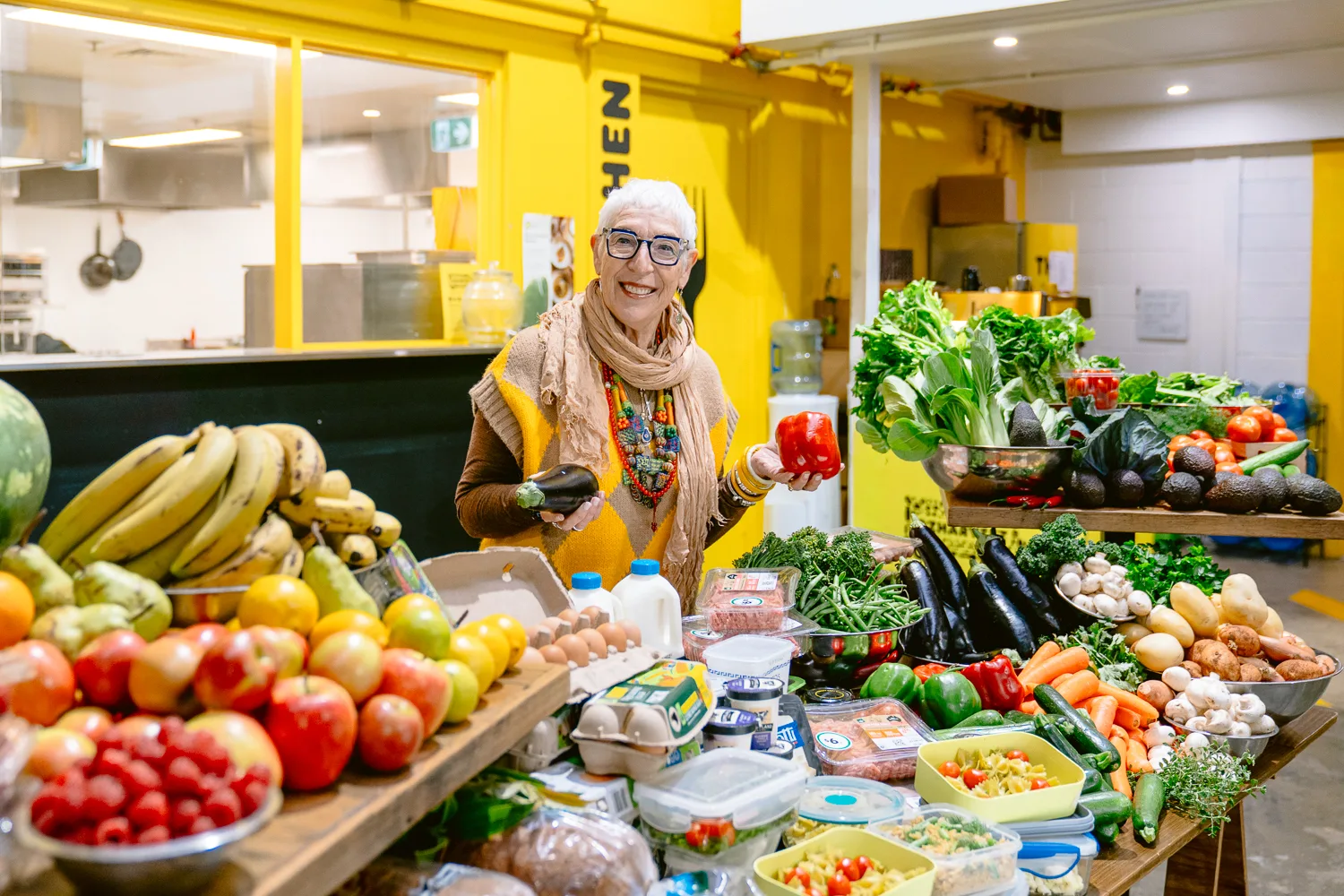
OzHarvest Founder Ronni Kahn AO said Australian households waste 2.5 million tonnes of food every year and around 70% is perfectly edible. “We’re literally throwing money in the bin! When we throw good food away it’s an outrageous waste of both resources and money. It breaks my heart to think of home-cooked leftovers being thrown away, or food that is perfectly edible but a tiny date dictates behaviour – we’ve really lost the value of food.”
The Leftover Epidemic
The combined cost of wasting uneaten leftovers and veggies revealed a “$500+ leftover problem”. Nearly half of all households surveyed regularly waste uneaten leftovers (home-cooked meals and take-aways), along with vegetables like tomatoes, carrots, leafy greens and herbs – making them the most frequently wasted items, despite having the highest price tag!
Date Label Confusion Fuelling Waste
A critical finding reveals that 58% of high-wasting households throw food away based on best-before or use-by dates, suggesting widespread confusion about food safety versus quality indicators.
“There’s a lot of confusion around food labels” explained Monique Llewelyn OzHarvest National Food Waste Campaign Manager “People don’t understand the difference and default to relying on the label rather than trusting their judgement. Best before means peak quality – the food is still safe to eat well beyond this date. Older generations are more confident as many remember buying food before date labels existed!”
Environmental Impact: Straight to Landfill
The environmental consequences are equally alarming. Over half of household food waste (51%) ends up in general waste bins destined for landfill, where it generates methane – a greenhouse gas 28 times more potent than carbon dioxide. In this research group, fewer than 10% of Australians utilise food organics recycling systems.
Simple Solutions, Big Impact
Despite the scale of the problem, the research identifies practical solutions that could dramatically reduce waste:
– Plan and list: High-wasting households are less likely to meal plan (only 28% compared to 81% of low-waste households)
– Use It Up: Implementing a designated “Use It Up” shelf in fridges using OzHarvest’s Use It Up Tape®
– Leftover makeovers: Transforming yesterday’s dinner into tomorrow’s lunch
– Smart shopping: Checking what you have before shopping.
“The good news is that small changes create big results,” said Monique. “Households that meal plan and use shopping lists waste over 40% less food. These aren’t complicated solutions – they’re simple habits that save money and help the planet.”
A National Challenge
With Australia generating 7.6 million tonnes of food waste annually at a cost of $36.6 billion to the economy, household action is critical to meeting the national target of halving food waste by 2030.
OzHarvest devotes time and effort to address this national challenge, investing in consumer research, product innovation Use It Up Tape™, inspiring recipes, social media hacks and campaign content all aimed at fighting food waste at home. In partnership with Suncorp Bank, they have a shared mission to help people save food and money.
Kate Zaia, Executive General Manager, Consumer Distribution Suncorp Bank said “We are proud to partner with OzHarvest to support the work it does in bringing out important research to help Australians understand the significant impact it has on their household budgets.
We want to increase education around the impact of food waste, to help our communities save more of what matters – food and money – while household food spending continues to soar. This research is both practical and actionable, delivering key insights into how Australian’s can prevent food wastage, and in turn, save money.”
About the Research: The Half Eaten report surveyed 3,005 Australian households from November 2024 to February 2025, tracking real food waste behaviours across demographics, income levels, and geographic locations. It was commissioned by OzHarvest as part of their campaign to address household food waste in Australia.
For media enquiries, contact [email protected]
